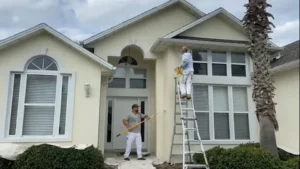
Your home’s exterior paint does more than improve curb appeal. It creates a protective layer that helps shield siding, trim, doors, and other surfaces from sunlight, moisture, temperature changes, and everyday wear. Over time, even high-quality exterior paint begins to lose its appearance and protective qualities.
So, how often should you repaint your home’s exterior? In general, most homes need exterior painting every 5 to 10 years, although the right schedule depends on the type of siding, quality of the previous paint job, weather conditions, and the condition of the existing surface.
Knowing what to look for can help you repaint before minor problems turn into costly repairs. Here are the key factors to consider when deciding whether your home is ready for a fresh coat of exterior paint.
How Long Does Exterior Paint Usually Last?
Exterior paint does not have one fixed lifespan. Different materials and environmental conditions affect how quickly paint begins to deteriorate.
- Wood siding: Often needs repainting every 3 to 7 years, depending on exposure and maintenance.
- Stucco: May last approximately 5 to 10 years when properly maintained.
- Fiber cement siding: Quality paint can often last 7 to 10 years or longer.
- Vinyl siding: May not require frequent painting, but painting can refresh its appearance when the surface becomes faded.
- Exterior trim: Trim and other exposed details may need attention sooner because they can receive more direct exposure to moisture and sunlight.
These timeframes are general guidelines rather than strict rules. The condition of your existing paint should ultimately determine when it is time for a new exterior painting project.
Signs Your Home Needs Exterior Painting
You do not always have to wait until a specific number of years has passed. Visible changes to your paint and exterior surfaces can indicate that repainting is needed.
Fading or Discoloration
Constant exposure to sunlight can gradually cause exterior paint colors to fade. If certain walls look noticeably lighter than protected areas, the existing coating may be losing its ability to provide a consistent finish.
A faded exterior can also make the entire home look older than it actually is. Repainting can restore a more uniform appearance while providing a fresh protective coating.
Peeling or Flaking Paint
Peeling, cracking, or flaking paint is one of the clearest signs that your exterior needs attention. These problems can expose the underlying material to moisture and other environmental conditions.
Simply painting over peeling areas is usually not enough. Proper preparation, including removing loose paint and preparing the surface, is important for achieving a durable finish.
Cracking or Blistering
Small cracks and bubbles in the paint can develop because of moisture, heat, poor surface preparation, or an aging coating. If these problems continue to spread, they can affect the surface underneath the paint.
Addressing damaged areas before repainting can help create a smoother and longer-lasting result.
Wood That Looks Dry or Exposed
Wood siding, trim, and other exterior wood features require regular protection. When the paint wears away, the exposed material can become vulnerable to moisture and weather-related deterioration.
If you notice exposed wood, discoloration, or areas that appear dry and weathered, it may be time to consider exterior painting.
Caulk That Is Cracking or Separating
The areas around windows, doors, trim, and other joints can develop gaps as materials expand and contract. Damaged caulk can allow moisture to reach areas that should remain protected.
Exterior painting projects often provide an opportunity to inspect these areas, replace failing caulk where needed, and create a cleaner finished appearance.
What Factors Affect How Often You Need to Paint?
The 5-to-10-year guideline can vary considerably from one home to another. Several factors influence how quickly exterior paint wears down.
Weather Exposure
Sun, rain, humidity, wind, and changing temperatures can gradually affect exterior coatings. Homes that experience frequent or intense weather exposure may require painting sooner than homes with greater protection.
Quality of the Previous Paint Job
Proper preparation has a major impact on how long an exterior paint job lasts. Cleaning, scraping, repairing damaged surfaces, priming when necessary, and applying paint correctly can all contribute to better durability.
Type of Exterior Surface
Different materials respond differently to paint and weather. Wood, stucco, masonry, fiber cement, and vinyl each have different maintenance requirements.
Paint Quality
The quality and suitability of the paint can also affect longevity. Exterior coatings should be selected according to the surface and environmental conditions rather than based solely on color or price.
Maintenance
Regularly inspecting your exterior can help you identify problems early. Cleaning surfaces, addressing damaged areas, and maintaining caulking can help protect the paint and underlying materials between major painting projects.
Why Proper Surface Preparation Matters
A fresh coat of paint can dramatically improve the appearance of a home, but the preparation underneath it is just as important.
Before painting, surfaces may need to be cleaned, scraped, sanded, repaired, or primed. Any peeling or damaged paint should be addressed rather than simply covered with another layer.
Proper preparation helps the new coating adhere more effectively and can reduce premature peeling, cracking, and other paint problems.
Can You Repaint Before the Paint Starts Peeling?
Yes. You do not have to wait until your exterior paint is severely damaged before scheduling a repaint.
If the color has significantly faded, the finish looks worn, or the paint is approaching the end of its expected lifespan, repainting proactively can help maintain the appearance and protection of your home.
Taking action before widespread deterioration can also make preparation more manageable.
How to Choose the Right Time for Exterior Painting
The best time to repaint depends on both the condition of your home and the painting conditions. Before scheduling the project, consider the weather, surface condition, upcoming maintenance needs, and the age of the existing coating.
A professional painting contractor can inspect the exterior and help determine whether repainting is necessary now or whether your current paint still has useful life remaining.
How JDS Painting Pro Can Help
JDS Painting Pro provides professional painting services designed to improve the appearance and protection of residential properties. From preparing exterior surfaces to applying a clean, consistent finish, the right approach can make a significant difference in the durability of an exterior paint job.
A professional team can identify areas that need preparation, address surface issues, and help homeowners choose an exterior coating that suits their property.
Whether your home has noticeable peeling and fading or you simply want to refresh its exterior, JDS Painting Pro can help you determine the appropriate next steps for your painting project.
Give Your Home a Fresh Exterior Finish
Exterior paint eventually wears down, but regular inspections and timely maintenance can help keep your home looking its best. While many homes need repainting every 5 to 10 years, the actual schedule depends on the surface, weather exposure, paint quality, and condition of the existing coating.
If your home is showing signs of fading, peeling, cracking, or exposed surfaces, it may be time to consider a professional exterior painting project. With proper preparation and quality application, a new paint job can refresh your home’s appearance while adding another layer of protection.